





















…Urges provision of safe drinking water as floods contaminate sources
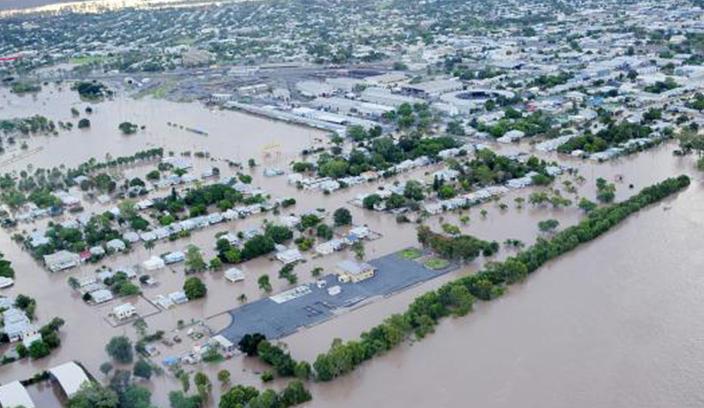
The Nigerian Hydrological Services Agency (NiHSA) has placed Bayelsa, Kogi, Anambra, Delta, and several other states on high alert as heavy rainfall continues to trigger flooding across parts of the country.
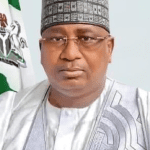
Speaking at a press briefing in Abuja, the Director-General of NiHSA, Arc. Umar Mohammed, said the agency’s latest hydrological data shows rising water levels along sections of the Niger and Benue Rivers, increasing the risk of localized flooding in the affected states.
“At the moment, our hydrological monitoring shows high water levels along parts of the Niger and Benue Rivers, with the possibility of localized flooding in Kogi, Anambra, and Delta States,” Mohammed stated. “We advise residents in flood-prone areas to remain vigilant and adhere strictly to official advisories.”
He explained that NiHSA has expanded its real-time data collection and upgraded its early warning systems using satellite imagery, digital modelling, and on-ground measurements to ensure more accurate forecasts and timely communication.
“Since assuming office, my goal has been clear — to make NiHSA more proactive, data-driven, and responsive to the challenges of our time,” he said. “Our forecasts are now backed by stronger data and technology, helping communities make informed decisions on land use, infrastructure, and water management.”
The DG disclosed that ongoing floods have contaminated several sources of drinking water in affected communities. According to him, water quality assessments revealed the intrusion of floodwater into shallow wells, posing serious health risks.
“We call for stronger collaboration among relevant ministries, humanitarian partners, and local authorities to ensure the provision of safe drinking water to affected communities,” he urged.
While noting that the 2025 flooding has so far been less severe than that of 2024, Mohammed said the agency continues to monitor developments closely as rains persist, particularly in southern states.
He further highlighted NiHSA’s growing reputation for accuracy and collaboration, stating that international bodies have rated its flood forecasts highly.
“We don’t work in isolation. We collaborate with both national and international organizations, including the World Meteorological Organization, UNESCO, ECOWAS, and others. Countries like Ghana and Liberia have also sought NiHSA’s support to establish similar agencies,” he added.
Mohammed said NiHSA’s Annual Flood Outlook remains a key tool for predicting and mitigating flood disasters nationwide, providing detailed forecasts on when, where, and how severe flooding is likely to be.
He revealed that the agency is investing in modern technologies such as Artificial Intelligence, cloud-based data systems, and real-time monitoring tools to improve its efficiency and emergency response capacity.
“We are developing a Five-Year Strategic Action Plan to guide our operations, focusing on innovation, regional empowerment, and stronger stakeholder engagement,” he said. “These efforts align with President Bola Tinubu’s Renewed Hope Agenda built on innovation, accountability, and measurable results.”
The NiHSA boss reaffirmed the agency’s commitment to protecting lives and livelihoods through timely, science-based hydrological information.
“As floods, droughts, and other climate-related challenges increase, our role becomes even more critical. Together, we can prevent avoidable disasters and ensure no Nigerian suffers loss due to lack of early warning,” he concluded.
© 2025, Standard Focus. All rights reserved. This material, and other digital content on this website, may not be reproduced, published, broadcast, rewritten or redistributed in whole or in part without prior express written permission from STANDARD FOCUS.