
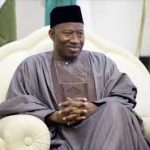

























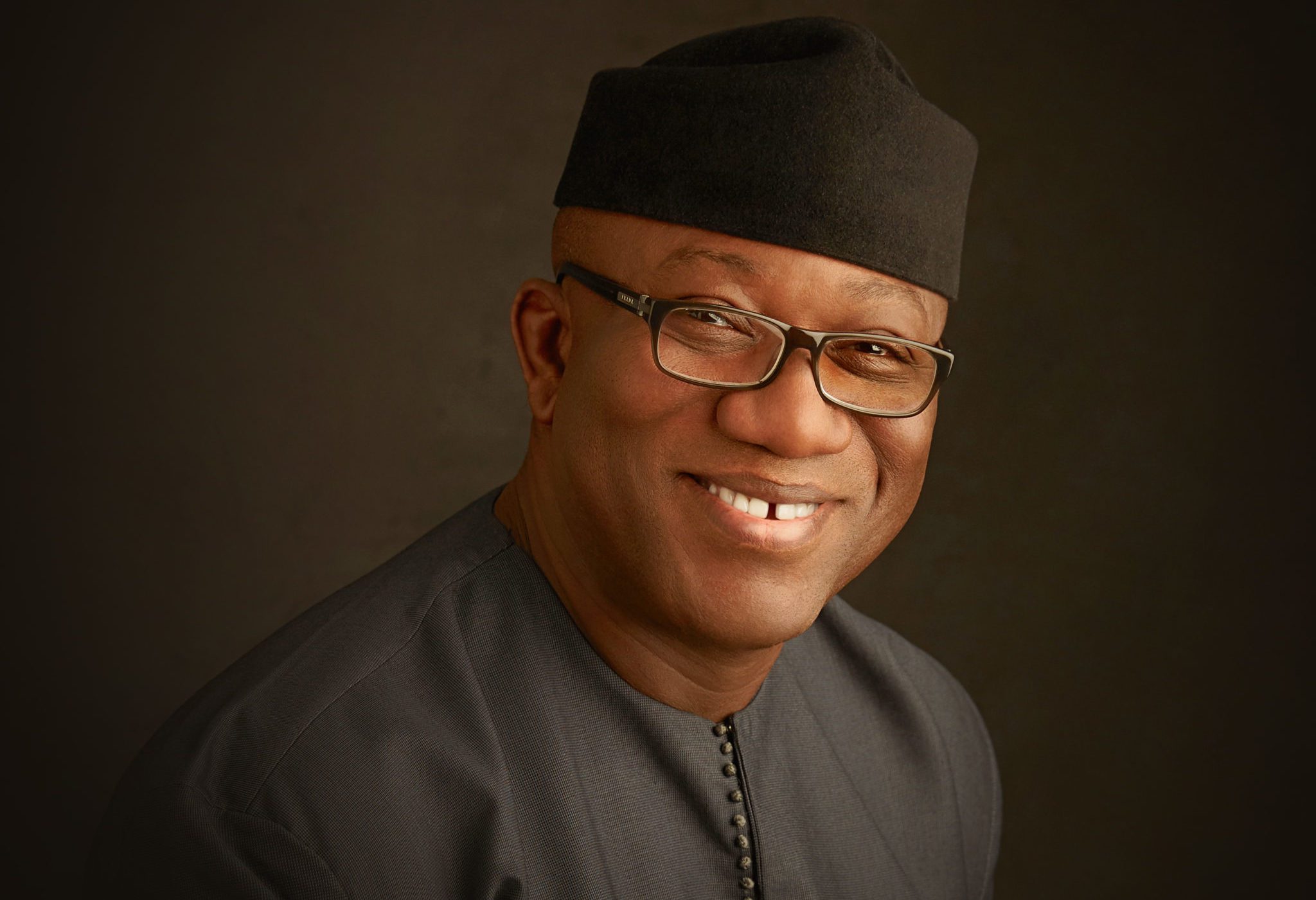
Former Ekiti State Governor, Dr. Kayode Fayemi, has accused former President Goodluck Jonathan of lacking the courage to remove fuel subsidy during his administration, despite enjoying the backing of key stakeholders at the time.
Fayemi made the remark on Tuesday in Abuja while speaking at the Oxford Global Think Tank Leadership Conference, where he reflected on Nigeria’s economic challenges, governance decisions, and leadership values.
According to the former governor and ex-Minister of Solid Minerals Development, many state governors under Jonathan’s administration, including himself, supported the subsidy removal policy — even though the then-opposition party, the Action Congress of Nigeria (ACN), opposed it politically.
“When we talk about the 2012 Occupy Nigeria protests and opposition to President Jonathan’s subsidy policy, the truth is that the Nigerian Governors’ Forum, of which I was a member, were the major advocates for subsidy removal,” Fayemi said.
“Yes, my party, the Action Congress of Nigeria at the time, did not support it. But myself and Governor Adams Oshiomhole actively promoted subsidy removal in several town hall meetings across the country.”
Fayemi faulted Jonathan for yielding to political pressure instead of standing firm on a policy he believed was economically sound.
“When people blame the opposition for not backing President Jonathan, we must also acknowledge that he lacked the conviction to follow through on what he believed in,” Fayemi said.
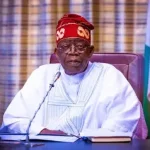
Drawing a comparison with the current administration, Fayemi praised President Bola Tinubu for demonstrating what he called “decisive leadership” by ending fuel subsidy on his first day in office, despite the political and economic risks.
“What did President Tinubu do? He came in and declared subsidy gone from day one. He could have backed down when pressure mounted in the first month and prices began to rise, but he stayed the course — that’s the kind of courage leadership requires,” he said.
However, Fayemi cautioned that while courage is vital, effective management of the policy’s consequences is equally important.
“The devil is always in the detail,” he noted. “What comes after is how you manage it so that the population doesn’t feel a deep sense of loss, as many Nigerians do now.”
He also urged young Nigerians to take initiative and actively participate in nation-building rather than waiting to be invited into leadership roles.
“Young people should not wait to be invited,” Fayemi advised. “No one invited me — it was my conviction that a better Nigeria is possible that drew me from academia into activism, and from activism into politics.”
Fayemi concluded by emphasizing that true leadership must be rooted in integrity, mentorship, and selfless service rather than personal ambition or material gain.
© 2025, Standard Focus. All rights reserved. This material, and other digital content on this website, may not be reproduced, published, broadcast, rewritten or redistributed in whole or in part without prior express written permission from STANDARD FOCUS.