


























The Nigeria Sovereign Investment Authority, NSIA, says its interventions in Nigeria’s healthcare sector have helped save the country about $200 million that would otherwise have been spent on medical tourism.
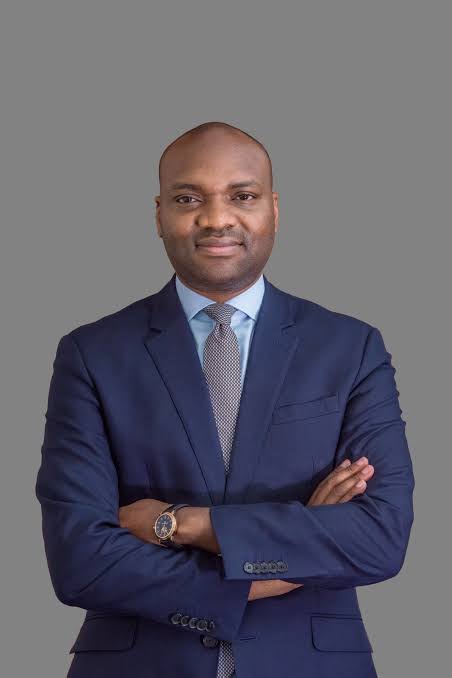
Managing Director of the Authority, Aminu Umar-Sadiq, said the investments had produced measurable benefits for both the healthcare sector and the wider economy.
He said the need to reduce medical tourism prompted the establishment of NSIA Advanced Medical Services Limited, MedServe, the Authority’s wholly owned healthcare subsidiary.
According to him, MedServe focuses on oncology, diagnostics and other specialised medical services.
Umar-Sadiq said: “The results are both substantial and measurable. Since inception, MLCC has delivered more than 25,000 radiotherapy sessions and 10,000 chemotherapy treatments to approximately 15,000 unique patients.”
He added: “The centre has also recorded instances of reversed medical tourism, with Nigerians being referred from overseas providers on account of the quality and cost-effectiveness of services available locally.”
According to him, treatment costs at the facility remained significantly lower than comparable services abroad.
“It is estimated that these interventions have prevented more than US$200 million in foreign exchange outflows that would otherwise have been associated with overseas treatment and related expenses,” he said.
Umar-Sadiq said the MedServe-LUTH Cancer Centre in Lagos, commissioned in May 2019, became the first oncology centre in Nigeria to offer 3D Conformal Radiotherapy.
He said the centre currently houses the largest concentration of radiotherapy equipment in West Africa.
He noted that the centre proved particularly important during the COVID-19 pandemic when international travel restrictions prevented many Nigerians from accessing treatment overseas.
Umar-Sadiq said the investment had also been expanded through the MedServe Kano Diagnostic Centre and MedServe Umuahia Diagnostic Centre.
He said more than 410,000 patients had accessed pathology, radiology and diagnostic services across Kano and Umuahia by December 2025.
“These figures represent more than service volumes. They demonstrate healthcare capacity built locally, specialised skills retained within the country, and tangible value delivered to Nigerians,” he said.
The NSIA boss said sustainable healthcare transformation required infrastructure, human capital development, clinical research, knowledge transfer and partnerships with international institutions.
“Recognising that oncology remains an emerging specialty in Nigeria, NSIA, through MedServe, adopted a holistic approach centred on three priorities: developing a pipeline of skilled oncology professionals; strengthening clinical research and trial capacity tailored to African populations; and establishing partnerships with leading global medical institutions,” he said.
He said MedServe was expanding its footprint across 13 states.
The next phase, he added, would include 13 new diagnostic centres, three additional oncology centres and three cardiac catheterisation laboratories.
© 2026, Standard Focus. All rights reserved. This material, and other digital content on this website, may not be reproduced, published, broadcast, rewritten or redistributed in whole or in part without prior express written permission from STANDARD FOCUS.