























The Nigeria Customs Service (NCS) has released additional guidelines for the implementation of duty-free import incentives covering Compressed Natural Gas (CNG), Liquefied Petroleum Gas (LPG) and electric vehicles under the Presidential Gas for Growth Initiative.
The Service, in a statement signed by its National Public Relations Officer, Deputy Comptroller of Customs Abdullahi Maiwada, said the new guidelines were issued by the Federal Ministry of Finance to provide clarity on the categories of environmentally friendly vehicles and equipment eligible for exemption from Import Duty and Value Added Tax (VAT).
According to the statement, the initiative aligns with President Bola Tinubu’s commitment to promoting cleaner energy alternatives and accelerating the adoption of sustainable transportation across Nigeria.
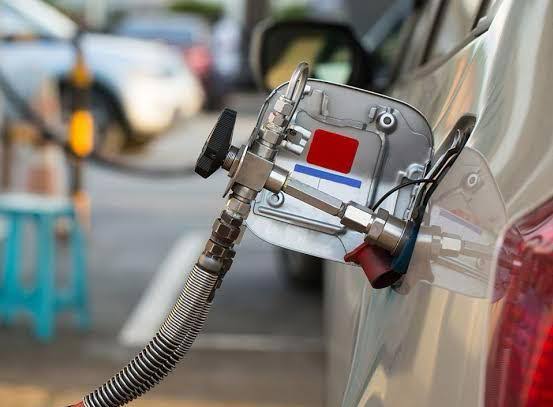
The Customs Service said eligible imports include fully Compressed Natural Gas (CNG) vehicles, fully Liquefied Petroleum Gas (LPG) vehicles, pure electric vehicles, Extended Range Electric Vehicles (EREVs) with a minimum electric driving range of 200 kilometres, CNG and LPG conversion kits, certified gas-powered tricycles and motorcycles, as well as semi-trailers equipped with skid-mounted CNG, LPG and Liquefied Natural Gas (LNG) storage tanks for gas distribution.
It explained that importers seeking to benefit from the incentives must first obtain an Import Duty Exemption Certificate (IDEC) from the Federal Ministry of Finance and comply with all applicable regulatory requirements before importing eligible items.
“Importers seeking to benefit from these incentives are required to obtain an Import Duty Exemption Certificate (IDEC) issued by the Federal Ministry of Finance and comply with all applicable regulatory requirements governing the importation of eligible items,” the statement said.
The Service clarified that hybrid electric vehicles, dual-fuel petrol or diesel vehicles, luxury vehicles valued at $100,000 and above, overseas-converted CNG vehicles without factory-fitted capability, non-self-driven semi-trailers and flatbeds, as well as spare parts, do not qualify for the fiscal incentives.
According to the NCS, the policy is aimed at reducing transportation and energy costs, encouraging investment in clean energy infrastructure, promoting the adoption of alternative fuel technologies and strengthening Nigeria’s energy security and environmental sustainability.
The Service reaffirmed its commitment to ensuring transparent implementation of the initiative under the leadership of the Comptroller-General of Customs, Bashir Adewale Adeniyi.
It also urged importers, licensed customs agents and other stakeholders to strictly comply with the approved guidelines, noting that the measures are designed to ensure that only eligible imports benefit from the incentives while supporting the country’s transition to cleaner and more sustainable energy solutions
© 2026, Standard Focus. All rights reserved. This material, and other digital content on this website, may not be reproduced, published, broadcast, rewritten or redistributed in whole or in part without prior express written permission from STANDARD FOCUS.