




















…as lawmaker raises alarm over environmental fiscal risks
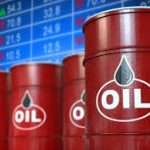
The House of Representatives has resolved to investigate the alarming level of non-compliance with decommissioning and abandonment (D&A) regulations in Nigeria’s petroleum industry.
Following a motion of urgent public importance sponsored by Rep. Zakaria Nyampa, member representing Madagali/Michika Federal Constituency of Adamawa during plenary, Nyampa warned that Nigeria could face environmental, financial, and social liabilities running into billions of dollars if urgent steps are not taken to enforce compliance with the provisions of the Petroleum Industry Act (PIA) 2021 and related regulations.
He noted that decommissioning and abandonment the process of safely shutting down and dismantling oil and gas facilities after their productive life is a critical global practice designed to prevent ecological damage and safeguard host communities from the risks of abandoned infrastructure.
“Globally, oil companies are mandated to set aside funds during the productive life of their assets to cover future dismantling, remediation, and site restoration costs,” Nyampa said.
“Failure to plan adequately exposes host communities to massive environmental and financial risks. Nigeria cannot afford to continue ignoring this.”
According to the lawmaker, Sections 232–233 of the PIA (2021) and the NUPRC/NMDPRA Decommissioning and Abandonment Regulations (2022) compel operators to establish D&A programmes, contribute to dedicated escrow accounts, and secure regulatory approval for their decommissioning plans. However, compliance has been “alarmingly low,” he said.
Nyampa expressed concern that over 90 percent of operators across the upstream, midstream, and downstream sectors have failed to meet their D&A obligations.
“International Oil Companies (IOCs) have exited assets in the Niger Delta and transferred them to domestic operators without adequate decommissioning provisions,” he noted, “effectively transferring future liabilities to the government and host communities.”
Citing industry data from global platforms such as Wood Mackenzie, IHS Markit, and NUPRC, Nyampa revealed that Nigeria’s oil sector faces estimated D&A liabilities of between $10 and $15 billion, with only 20 percent of operators having adequately funded escrow accounts. The total amount currently available for decommissioning is said to be below $1 billion, far short of what is required.
He further disclosed that the midstream and downstream sectors face an additional $4–5 billion remediation liability, as aging infrastructure including refineries, pipelines, and gas plants continues to deteriorate without formal remediation plans or funding.
“The risk of inaction is grave,” Nyampa warned. “We risk having abandoned rigs, rusting pipelines, oil spills, and toxic contamination that could endanger human lives, destroy ecosystems, and fuel unrest in host communities. This is an issue of national security, environmental protection, and fiscal responsibility.”
Following his presentation, the House resolved to set up an Ad-hoc Committee to investigate the status of decommissioning and abandonment compliance in Nigeria’s petroleum industry in line with the PIA. The committee is to report its findings and recommendations within twelve weeks for further legislative action.
Lawmakers who supported the motion said the investigation was crucial to ensuring accountability, protecting host communities, and safeguarding the nation’s future revenues from environmental liabilities.
If properly enforced, Nyampa said, the move could help Nigeria secure billions of dollars in D&A escrow funds, strengthen environmental stewardship, and protect public finances from future oil-sector liabilities.
© 2025, Standard Focus. All rights reserved. This material, and other digital content on this website, may not be reproduced, published, broadcast, rewritten or redistributed in whole or in part without prior express written permission from STANDARD FOCUS.