




















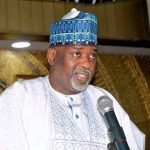










The Federal Government has intensified efforts to achieve universal health coverage in Nigeria, announcing a significant expansion of the national health insurance scheme to 21.7 million enrollees as part of ongoing reforms to strengthen the country’s healthcare system.Speaking on Tuesday in Abuja during a ministerial press briefing to mark the 2026 World Health Day, the Minister of State for Health and Social Welfare, Dr. Iziaq Adekunle Salako, said Nigeria is accelerating science-driven policies aimed at improving access, quality and affordability of healthcare services.This year’s theme, “Together for Health: Stand with Science,” he said, reinforces the importance of evidence-based decision-making and rebuilding public confidence in scientific research in the face of emerging global health threats.Salako noted that modern healthcare systems are built on scientific innovation, ranging from vaccine development to digital health technologies, stressing that such advancements have continued to save lives and improve health outcomes worldwide.According to him, Nigeria has deliberately aligned its health reforms with data and research, adopting a multi-sectoral One Health strategy to address health risks that cut across humans, animals and the environment.He explained that recurrent outbreaks such as Lassa fever underscore the need for stronger coordination among relevant sectors, particularly in surveillance, preparedness and rapid response.The minister reiterated that President Bola Ahmed Tinubu’s Renewed Hope Agenda places health at the centre of national development, describing healthcare access as a fundamental right rather than a privilege.However, he acknowledged persistent challenges affecting the sector, including inadequate health workforce capacity, the migration of skilled professionals abroad, erratic power supply in health facilities, and dependence on imported pharmaceuticals and medical equipment.Salako also drew attention to Nigeria’s “double burden” of disease, where communicable diseases such as malaria, tuberculosis and HIV/AIDS continue to coexist with a rising prevalence of non-communicable diseases including hypertension, diabetes and cancer.Despite these challenges, he said the Federal Government is pressing ahead with wide-ranging reforms under the Nigeria Health Sector Renewal Investment Initiative, aimed at strengthening institutions, improving healthcare financing, and expanding equitable access to services nationwide.One of the major highlights of the reforms, he said, is the expansion of health insurance coverage, which has now grown to 21.7 million Nigerians—representing a nearly 33 percent increase since late 2023. The initiative, he added, is designed to reduce out-of-pocket spending and protect households from catastrophic health expenses.Salako further disclosed notable progress in immunisation campaigns across the country. According to him, more than 14 million girls have been vaccinated against the Human Papillomavirus (HPV), while over 102 million children have received the measles-rubella vaccine, with coverage reaching approximately 99 percent.He added that utilisation of primary healthcare services has also increased significantly, rising from about 10 million visits in early 2024 to 45 million by mid-2025, a development he attributed to improved public trust and expanded service delivery at the grassroots.On maternal health, the minister said targeted interventions under the Maternal Mortality Reduction Innovation Initiative (MAMII) have resulted in a 17 percent reduction in maternal deaths across supported health facilities.He revealed that more than 232 emergency obstetric care centres have been upgraded nationwide, benefiting an estimated 16 million women and nearly two million newborns through improved maternal and neonatal services.Salako also highlighted ongoing efforts to strengthen epidemic preparedness and response, noting that the Nigeria Centre for Disease Control and Prevention continues to play a critical role in surveillance, outbreak containment and emergency coordination across the country.He added that regulatory agencies are stepping up oversight to ensure the safety, quality and effectiveness of medicines and healthcare products in circulation.According to him, government is also encouraging greater private sector participation through initiatives such as the Presidential Initiative for Unlocking the Healthcare Value Chain, aimed at boosting local production of drugs, vaccines and medical supplies.The minister said investments are also being made in digital health systems, workforce training and renewable energy solutions for hospitals, with a target of achieving at least 30 percent electrification of health facilities by 2027.He commended healthcare workers for their commitment and acknowledged the support of state governments and development partners in strengthening service delivery across the country.Reaffirming the administration’s long-term vision, Salako stressed that universal access to healthcare remains a core priority, insisting that no Nigerian should be denied treatment because of inability to pay.“Health for all is not just an aspiration—it is a commitment,” he said, urging sustained collaboration among stakeholders to ensure safer childbirth, healthier children and stronger communities across the country.He expressed optimism that continued reforms, backed by science, investment and partnerships, would place Nigeria firmly on the path toward a resilient, inclusive and sustainable health system.
© 2026, Standard Focus. All rights reserved. This material, and other digital content on this website, may not be reproduced, published, broadcast, rewritten or redistributed in whole or in part without prior express written permission from STANDARD FOCUS.