




























The African Democratic Congress (ADC) has described the United States’ decision to withdraw non-essential embassy staff and their families from Abuja as a sign of declining international confidence in the administration of President Bola Ahmed Tinubu, citing worsening insecurity across the country.
In a statement issued by its National Publicity Secretary, Bolaji Abdullahi, the party argued that the development underscores growing global concern over Nigeria’s security situation and its implications for safety and stability.
The ADC maintained that the U.S. action goes beyond routine diplomatic adjustments, interpreting it as a reflection of deeper concerns about the government’s handling of security challenges.
“This is not a routine administrative decision. It is a verdict,” the party stated.
The opposition party further accused the President of prioritising political considerations ahead of the 2027 general elections over the urgent responsibility of safeguarding lives and property.
According to the ADC, the country’s persistent security crisis is no longer confined to domestic discourse but is increasingly shaping international perception of Nigeria.
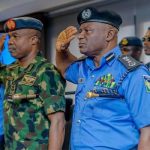
The statement also followed renewed outrage over the killing of Brigadier General Oseni Omoh Braimah and other soldiers in a recent terrorist attack in Borno State, which the party said highlights systemic failures.
While mourning the slain military personnel, the ADC paid tribute to their sacrifice and extended condolences to their families, noting the lasting human cost of insecurity.
It stressed that such incidents are part of a recurring pattern of violence across the North-West, North-Central, North-East and the Middle Belt, where communities continue to face frequent attacks.
“These are not isolated incidents. They are part of a sustained pattern,” the party said, adding that prior warnings are often ignored, resulting in avoidable tragedies.
The ADC criticised what it described as a predictable cycle of official responses—condolences and assurances without concrete preventive action—arguing that the death of a serving general signals deeper structural and leadership gaps.
The party emphasised that, as Commander-in-Chief, President Tinubu bears ultimate responsibility for addressing insecurity and must demonstrate stronger leadership and urgency.
It warned that unless there is a significant shift in strategy, both domestic and international confidence in the government’s ability to protect lives will continue to decline.
© 2026, Standard Focus. All rights reserved. This material, and other digital content on this website, may not be reproduced, published, broadcast, rewritten or redistributed in whole or in part without prior express written permission from STANDARD FOCUS.