































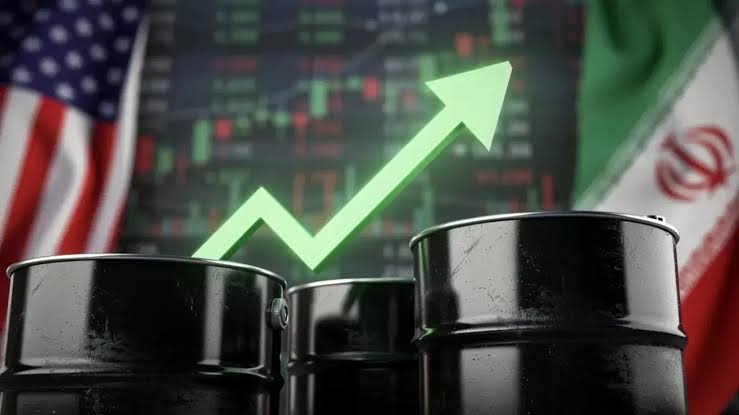
Global crude oil prices have climbed back above $100 per barrel following the breakdown of diplomatic talks between the United States and Iran, reviving fears of supply disruptions and renewed geopolitical tension in the energy market.
The rebound comes after crude, which had eased to about $90 per barrel last week on optimism over a potential breakthrough, spiked again as negotiations reportedly collapsed in Islamabad, Pakistan, over the weekend.
Market sentiment shifted sharply after it emerged that the talks failed to produce an agreement, with U.S. Vice President JD Vance stating that Tehran rejected Washington’s conditions.
“The bad news is that we have not reached an agreement, and I think that’s bad news for Iran much more than it’s bad news for the United States of America,” Vance said.He stressed that Washington’s position remained firm on preventing Iran from acquiring nuclear weapons or developing the capability to do so.
Analysts say the failed negotiations have reignited concerns over geopolitical instability in the Middle East, a key region for global oil supply routes, triggering renewed bullish momentum in crude markets.
Speaking on the development, the Chief Executive Officer of Petroleumprice.ng, Olatide Jeremiah, said prices are likely to remain elevated in the coming weeks amid growing uncertainty.
“From all indications, the price of crude will continue to rise because of tensions, speculation, and instability in the market,” he said.Jeremiah warned that the impact would extend beyond crude oil, affecting downstream petroleum prices, particularly petrol, with likely ripple effects on transportation costs and inflation.
He added that increased market volatility could persist as traders react to geopolitical signals rather than supply fundamentals.
Also speaking, the National President of the Oil and Gas Services Providers Association of Nigeria (OGSPAN), Mazi Colman Obasi, noted that rising energy costs could affect the domestic economy, though he said the impact may be moderated by local refining capacity, particularly the operations of the Dangote Petroleum Refinery.
He said the 650,000 barrels-per-day facility could help cushion some of the pressure from global price shocks, even as international market volatility continues to shape domestic fuel pricing trends.
© 2026, Standard Focus. All rights reserved. This material, and other digital content on this website, may not be reproduced, published, broadcast, rewritten or redistributed in whole or in part without prior express written permission from STANDARD FOCUS.