




























Human Rights Watch, HRW, has urged the National Assembly to reject the proposed Foreign Aid (Regulation, Transparency and Disclosure) Bill, warning that it could undermine the independence of civil society organisations and restrict civic space in Nigeria.
The organisation raised the concern in a statement on Monday, arguing that some provisions of the proposed legislation could give the government excessive influence over organisations that receive foreign grants, donations and aid.
The bill, introduced in the Senate in May 2026, seeks to regulate foreign aid in Nigeria and establish a commission to oversee foreign-funded activities.
Its objectives include promoting transparency and accountability, aligning aid with national development priorities, preventing misuse and duplication of projects, and improving public access to information on foreign-funded activities.
However, HRW said some provisions were too broad and could be used to restrict organisations that criticise government policies or expose governance failures.
“Independence is essential to the work of civil society organisations working to scrutinise government actions, expose wrongdoing, hold those in power accountable, and advocate for reforms,” Anietie Ewang, Nigeria researcher at Human Rights Watch, said.
“Legislation that seeks to align foreign funding with government priorities risks expanding government control over independent civil society and suppressing dissent,” she added.
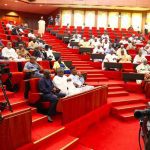
The bill has passed its first and second readings in the Senate and was referred to the Senate Committee on National Planning and Economic Affairs for further consideration, public hearings and consultations.
HRW said the proposed requirement for foreign-funded activities to align with Nigeria’s development plans could create uncertainty for organisations working in human rights, governance, anti-corruption and accountability.
It also warned that violations of the proposed law could attract financial penalties, withdrawal of operating licences and imprisonment.
The organisation recalled previous attempts by the National Assembly to increase government regulation of civil society organisations, including a 2016 bill that stalled after a public hearing and another proposal introduced in 2020 that was later withdrawn.
HRW maintained that independent civil society organisations play an important role in promoting transparency, documenting abuses, advocating reforms and holding public officials accountable.
It noted that freedom of expression and association are protected by the Nigerian Constitution and international human rights instruments ratified by Nigeria.
The organisation also questioned the need for additional financial reporting requirements, arguing that non-profit organisations already have registration and reporting obligations before several government agencies.
“Transparency and accountability are legitimate objectives, but they should not become a pretext to undermine the independence of civil society,” Ewang said.
“Nigeria should not create new layers of regulation that give the authorities excessive control over organisations simply because they receive foreign funding,” she added.
HRW urged lawmakers to ensure that any legislation regulating foreign aid protects the independence and legitimate activities of civil society organisations.
© 2026, Standard Focus. All rights reserved. This material, and other digital content on this website, may not be reproduced, published, broadcast, rewritten or redistributed in whole or in part without prior express written permission from STANDARD FOCUS.