



























….Demands Transparent Review of the Process
The Civil Society Legislative Advocacy Centre (CISLAC) has expressed deep concern over President Bola Tinubu’s recent decision to grant presidential pardons to individuals convicted of corruption, drug trafficking, illegal mining, and other serious offences.
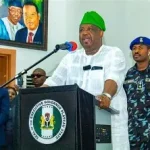
In a statement signed by its Executive Director and Head of Transparency International (TI) Nigeria, Auwal Ibrahim Musa Rafsanjani, CISLAC described the pardon of 175 inmates as “legally questionable, morally wrong, and damaging to Nigeria’s image both locally and internationally.”
Rafsanjani argued that such clemency undermines the integrity of Nigeria’s justice system, particularly when some of the beneficiaries were not tried under Nigerian jurisdiction.
“You cannot pardon someone convicted by a foreign court when Nigerian jurisdiction wasn’t involved in the conviction. That is beyond the constitutional powers of the Nigerian president,” he said.
CISLAC warned that the move could jeopardize Nigeria’s international partnerships in anti-corruption efforts, narcotics control, and asset recovery—areas where the country depends on global collaboration and intelligence sharing.
“Pardoning individuals convicted of drug trafficking, financial crimes, and other serious offences sends the wrong signal to our international partners and weakens the credibility of our justice system,” Rafsanjani added.
He further lamented that the decision would discourage anti-corruption agencies such as the EFCC, ICPC, NDLEA, and Police, whose personnel often risk their lives to secure convictions.
“It’s a slap in the face of the agencies and officers who worked tirelessly to bring these offenders to justice. How do you motivate them when their efforts are undone with a single signature?” he queried.
Rafsanjani also criticized the selective nature of the pardon, noting that thousands of Nigerians remain in prison for minor offences or have languished for years awaiting trial.
While acknowledging that the presidency justified the pardon on grounds of good behaviour, old age, and rehabilitation, the CISLAC boss insisted that “forgiveness should not equate to exoneration.”
“A pardon implies that these individuals never committed a crime and are no longer ex-convicts. That’s dangerous because it allows them to rewrite history and absolve themselves of responsibility,” he warned.
He cautioned that some of the released individuals could return to organized crime networks involved in oil theft, kidnapping, and illegal mining—further deepening insecurity and impunity in the country.
CISLAC therefore called for a comprehensive review of the presidential pardon process and the creation of a transparent framework that prioritizes inmates awaiting trial or those convicted of non-violent offences.
“This is a serious lapse in judgment. Those who advised the president have done the country a disservice. National interest should come before political considerations,” Rafsanjani stated.
The organization urged the federal government to reaffirm its commitment to justice, transparency, and international cooperation, warning that continued disregard for due process would further tarnish Nigeria’s global reputation.
© 2025, Standard Focus. All rights reserved. This material, and other digital content on this website, may not be reproduced, published, broadcast, rewritten or redistributed in whole or in part without prior express written permission from STANDARD FOCUS.