


























The Kebbi State Government has commenced a four-day capacity-building programme aimed at strengthening treasury operations, financial controls and records management across Ministries, Departments and Agencies (MDAs).
The training, titled “Strengthening Treasury Operations, Financial Controls and Office Record Documentation,” is scheduled to hold from August 19 to 22, 2026, in Sokoto.
The state government said the initiative was part of its broader efforts to improve public financial management, transparency, accountability and institutional record-keeping.
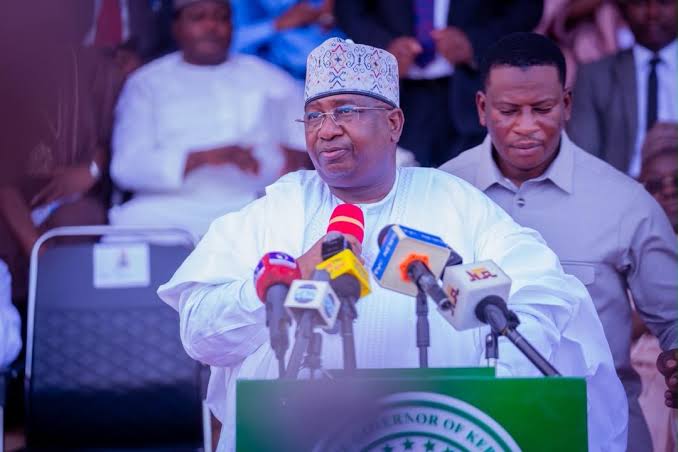
Chief Press Secretary to the Kebbi State Governor, Ahmed Idris, who spoke on behalf of the state government in a statement made available on Tuesday, said the programme was designed to strengthen governance systems through improved treasury operations and financial controls.
The statement said, “efficient treasury operations, sound financial management and effective records administration are fundamental to promoting transparency, accountability and good governance in the public service.”
According to the government, participants will acquire practical skills in financial documentation, internal controls, risk management, audit preparedness and compliance procedures.
The first phase of the training will focus on public financial management and documentation standards, with emphasis on transparency, accountability, value-for-money principles and the legal framework governing public finance.
The second phase will address office record documentation and control systems, particularly the management of financial and administrative records throughout their lifecycle.
The programme framework stated that “maintaining complete, accurate and reliable records is essential for effective decision-making, regulatory compliance, accountability and audit processes.”
Participants will also be trained on internal controls and risk management, including approval procedures, supervisory mechanisms, financial reporting and responses to audit queries.
The government said improved documentation, financial reporting and audit readiness would strengthen public trust and provide a better basis for engagement with civil society organisations, professional bodies and development partners.
It stated that stronger systems would provide “a better foundation for constructive engagement with civil society organizations, professional bodies, development partners and other stakeholders interested in transparency, accountability and improved public service delivery.”
The training will include practical exercises, case studies, simulations and group discussions to enable participants identify documentation gaps, address control weaknesses and apply lessons learned to real workplace situations.
At the end of the programme, participants are expected to demonstrate improved capacity in records management, internal controls, documentation standards and audit preparedness.
The government said the outcomes would contribute to stronger financial governance and improved public service delivery.
Reiterating its commitment to institutional reform, the state government said, “the commitment to transparency and accountability requires continuous strengthening of institutional systems and professional capacity.”
It added that “responsible management of public resources is a collective institutional responsibility,” stressing that effective controls, reliable records and accurate reporting remained essential pillars of good governance.
The programme is being held under the slogan, “Gaskiya da Rikon Amana – Ginshikin Kyakkyawan Shugabanci,” meaning “Transparency and Accountability – The Foundation of Good Governance.
© 2026, Standard Focus. All rights reserved. This material, and other digital content on this website, may not be reproduced, published, broadcast, rewritten or redistributed in whole or in part without prior express written permission from STANDARD FOCUS.