






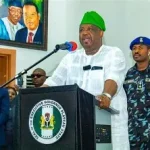


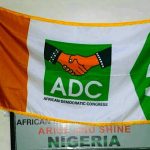

















The African Democratic Congress, ADC, has rejected the Presidency’s criticism of its presidential candidate, Atiku Abubakar, over his proposal to reduce petrol prices through a controlled domestic-refining subsidy.
The party argued that the debate should not be limited to the estimated cost of subsidy but should also consider the economic burden Nigerians are currently facing as a result of high petrol prices.
According to the ADC, Nigerians are already paying heavily through increased transportation costs, food prices, production expenses and the general cost of living.
In a statement, the party’s National Publicity Secretary, Bolaji Abdullahi, accused the Presidency of focusing on what he described as a hypothetical N19.1 trillion subsidy cost.
“We are at a loss how the presidency conjured up this phantom figure. But we do not agree with it,” Abdullahi said.
The ADC said Atiku’s proposal was not a return to the previous subsidy regime but a controlled production incentive for Nigerian refineries.
It said the proposed arrangement would have a fiscal ceiling and mechanisms for tracking crude from refinery intake through to finished petroleum products.
“What the Presidency is attacking therefore is the old subsidy regime that Atiku is seeking to replace, not Atiku’s plan,” the party said.
The party also challenged the government to explain its own petroleum-related spending, citing figures from NNPC’s audited 2024 accounts and broader petroleum-related financial exposure.
Abdullahi also pointed to incentives available to offshore oil producers, arguing that similar support should not be rejected when the objective is to reduce fuel prices for Nigerians and expand domestic refining.
“If Nigeria can provide a production-linked fiscal incentive of up to $11.50 per barrel to stimulate offshore oil production, why is a carefully controlled crude-input incentive for domestic refineries dismissed as economic madness when its objective is to make fuel cheaper for Nigerians and build domestic refining capacity?” he asked.
The ADC said the Presidency’s calculation did not sufficiently consider possible savings from reduced imports and the wider economic benefits of domestic refining.
It argued that increased local production could lower costs, reduce petroleum imports and create opportunities for refined-product exports.
The party also criticised what it described as the government’s failure to calculate the economic cost of maintaining high fuel prices.
“Doing nothing is not free. It is ultimately more expensive,” the party said.
The ADC further questioned how government resources were currently being allocated and what public value Nigerians were receiving from such spending.
“This government does intervene; they only choose where to intervene, and on whose behalf,” Abdullahi said.
The party maintained that the central issue was what Nigeria should subsidise, why it should do so and who should benefit.
It said its proposal was a capped, audited and traceable production-support mechanism aimed at reducing petrol prices while strengthening domestic refining capacity.
© 2026, Standard Focus. All rights reserved. This material, and other digital content on this website, may not be reproduced, published, broadcast, rewritten or redistributed in whole or in part without prior express written permission from STANDARD FOCUS.