











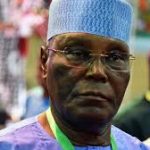













The Presidency has rejected former Vice President Atiku Abubakar’s proposal to restore fuel subsidy if elected president in 2027, describing the policy as a return to a failed system that would place further pressure on public finances and undermine investor confidence.
Atiku, the presidential candidate of the African Democratic Congress, ADC, has proposed bringing down petrol prices through a controlled domestic-refining subsidy.
Reacting to the proposal, the Presidency said a return to subsidy would revive the waste, corruption and fiscal pressures associated with the former regime.
Tunde Rahman, Special Assistant to President Bola Tinubu on Media and Special Duties, stated this in a statemet.
The Presidency said, “Reintroducing the subsidy is not a fix; it’s a financial sinkhole that hands public resources to middlemen and drains money we should spend on schools, hospitals and infrastructure.
“It will also tell investors that policy stability is dead — and when investors see instability, they leave.”
Rahman said any short-term relief from subsidised petrol prices would be outweighed by the long-term consequences for government finances and investor confidence.
“If we take a step back into subsidy dependence, we risk erasing the progress made toward market-based reforms and fiscal transparency. Policy must protect the vulnerable without mortgaging our future,” he said.
He also argued that subsidising production could distort the market and create opportunities for fraud while reducing funds available for education, healthcare, security and infrastructure.
Rahman cited recent economic indicators, including a reported GDP growth rate of 3.89 per cent, a July 2026 inflation rate of 15.43 per cent, a stabilising naira and foreign reserves exceeding $53 billion.
He said the positive economic indicators would eventually translate into improved living standards if the current trajectory was sustained.
“Leadership sometimes entails tough choices. President Tinubu’s removal of the subsidy was not a whimsical decision. He did it because it was the right thing to do,” Rahman said.
He argued that Nigeria had operated fuel subsidy for decades without achieving sustainable benefits.
“Nigeria tried subsidy for four decades, and we ended up importing fuel while exporting crude. We tried it, and it led to a debt pile-up. We tried it, and our refineries collapsed,” he said.
According to him, the focus ahead of the 2027 elections should be on maintaining reforms until local refining, competition and compressed natural gas drive down energy costs.
The Presidency said Nigerians should consider whether short-term relief was worth the possibility of creating future fiscal problems.
“Politics should not masquerade as economics. Good governance requires choices that are sustainable this isn’t one of them,” it said.
© 2026, Standard Focus. All rights reserved. This material, and other digital content on this website, may not be reproduced, published, broadcast, rewritten or redistributed in whole or in part without prior express written permission from STANDARD FOCUS.