


























By Kenneth Lawal
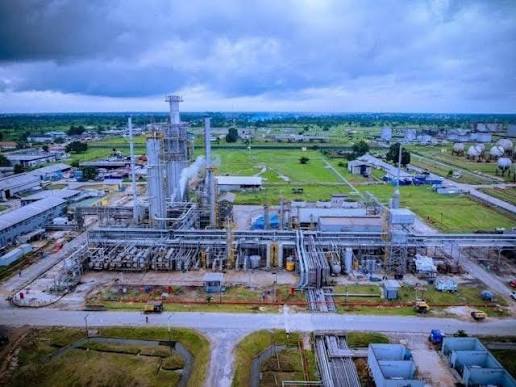
The Nigeria Employers’ Consultative Association (NECA) has expressed strong reservations over a new Memorandum of Understanding between the Nigerian National Petroleum Company Limited and Chinese firms for the rehabilitation and expansion of the Port Harcourt and Warri refineries, warning that Nigeria cannot afford another failed refinery turnaround project.
In a statement issued in Lagos, NECA Director-General Adewale-Smatt Oyerinde said the latest agreement raises concerns given the country’s history of multi-billion-dollar refinery rehabilitation efforts that have failed to deliver sustained results.
He noted that while Nigeria urgently needs functional refineries to reduce dependence on imported petroleum products, there must be clarity on how previous funds were spent before committing to new agreements.
NECA described the pattern of repeated rehabilitation contracts over the years as troubling, stating that huge investments had not translated into stable refining capacity.
The association recalled that between 2010 and 2023, Nigeria reportedly spent over $25 billion (about N11 trillion) on refinery rehabilitation, maintenance and turnaround operations, yet the state-owned refineries remain largely inactive.
It specifically questioned the $1.5 billion rehabilitation project approved for the Port Harcourt refinery, insisting that despite repeated assurances, the facility has not achieved sustained production.
The group also referenced multiple rehabilitation cycles of the refinery over past decades, arguing that they had not produced lasting operational success despite heavy public expenditure.
NECA further demanded full disclosure of the terms of the new MoU with the Chinese partners, including details on equity structure, procurement processes, technology transfer arrangements, and safeguards against cost overruns and delays.
The employers’ body stressed that accountability and transparency are essential to restoring public trust in refinery rehabilitation efforts.
According to the association, Nigerian businesses have continued to bear the burden of energy insecurity through high production costs, foreign exchange pressure from fuel imports, and job losses.
NECA reiterated its position that privatisation or concession of the refineries should be considered as a more sustainable alternative to repeated turnaround maintenance programmes.
While expressing support for efforts to revive the Port Harcourt refinery, the group insisted that any rehabilitation must be guided by transparency, a credible business model and measurable outcomes.
It warned that the era of signing agreements without tangible results must end, urging the government to prioritise accountability over announcements.
© 2026, Standard Focus. All rights reserved. This material, and other digital content on this website, may not be reproduced, published, broadcast, rewritten or redistributed in whole or in part without prior express written permission from STANDARD FOCUS.