







































….says 70% of suicides in Nigeria are linked to ingestion of toxic pesticides
…. seek N350m in 2026 budget to revive moribund industries
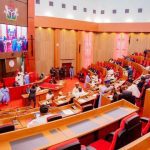
The House of Representatives has called for immediate measures to stop the use of hazardous pesticides in agricultural production across Nigeria to safeguard public health, food safety, and the environment.
The House also urged the Federal Ministry of Industry, Trade, and Investment to develop a resuscitation plan through its Industrial Inspectorate Department for moribund industries in the six geopolitical zones. In addition, lawmakers called on the ministry to include ₦350 million in the 2026 budget estimates to commence the revival of such industries.
These resolutions followed the adoption of a motion titled “Stoppage and Mitigation of Risks Associated with the Use of Hazardous Pesticides Across Nigeria” sponsored by Hon. Clement Jimbo during Wednesday’s plenary.
Leading the debate, Jimbo noted that while pesticides are essential for protecting crops from pests and diseases, the increasing circulation of Highly Hazardous Pesticides (HHPs) poses serious threats to human health, biodiversity, and environmental sustainability.
He cited data from the National Agency for Food and Drug Administration and Control (NAFDAC) showing that over 50% of registered pesticides in Nigeria fall under the HHP category—many of which are already banned in other countries due to their toxicity.
“Concerned that 70% of suicides in Nigeria involve the ingestion of Highly Hazardous Pesticides HHPs, such as Diclorvous (DDVP) in Sniper. The indiscriminate importation, sale, and use of these hazardous chemicals expose farmers, consumers, water sources, pollinators, and the entire ecosystem to dangerous contamination, resulting in huge economic losses for Nigerian food exporters due to rejection at the ports of destination during inspection.
“Also concerned that reports indicate rising cases of pesticide poisoning, soil degradation, and food residue contamination due to unregulated use of Highly Hazardous Pesticides in Nigeria. Research shows that seven out of thirteen common pesticide active ingredients in Nigeria are cancerous. In 2020 over 270 persons died in Oyo Obi Community of Benue State as a result of Endosulphan in the community river”, the motion read.
Jimbo further expressed concern that 70% of suicides in Nigeria are linked to the ingestion of highly toxic pesticides such as Dichlorvos (DDVP), commonly sold as Sniper. He added that indiscriminate importation and use of these chemicals have led to water and soil contamination, posing risks to farmers, consumers, and the ecosystem.
“Reports indicate a growing number of pesticide poisoning cases and rejection of Nigerian food exports at international ports due to chemical residues,” Jimbo said. “Research has shown that seven of the thirteen commonly used pesticide ingredients in Nigeria are carcinogenic.”
He recalled that in 2020, over 270 people died in Oyo Obi Community of Benue State following contamination of the local river by the banned pesticide Endosulfan.
On industrial development, Jimbo lamented that the collapse of manufacturing industries in Nigeria predates the current administration but expressed optimism that President Bola Ahmed Tinubu’s government would prioritize industrial revival.
He emphasized that reviving key industries such as Osogbo Steel Rolling Mill, Osogbo Machine Tools, and the Umuahia Ceramic Industry would boost economic growth, reduce dependence on imports, create jobs, and strengthen Nigeria’s productive base.
The House unanimously adopted the motion and mandated the Committees on Industry and Legislative Compliance to ensure implementation and report back within four weeks for further legislative action.
© 2025, Standard Focus. All rights reserved. This material, and other digital content on this website, may not be reproduced, published, broadcast, rewritten or redistributed in whole or in part without prior express written permission from STANDARD FOCUS.