


















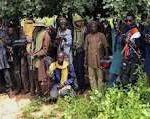


By Vincent Imeh, Port Harcourt
Nigeria has forfeited an estimated $226.7 billion in revenue following the 33-year suspension of crude oil production in Ogoniland, where operations across 96 oil wells have remained shut since 1993.
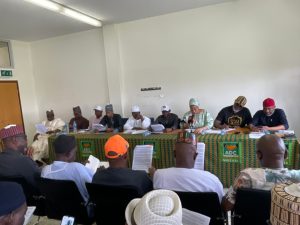
Pipeline Infrastructure Nigeria Limited (PINL) disclosed the figures during its monthly stakeholders’ meeting in Port Harcourt, Rivers State, describing the prolonged shutdown as a major economic setback and urging an urgent, well-structured resumption of oil activities in the region.
The company stressed that any restart must be driven by host community participation, environmental sustainability, and transparency to ensure long-term success and stability.
Ogoniland, covered under Oil Mining Lease (OML) 11, has the capacity to produce over 500,000 barrels of crude oil per day. Production was halted in 1993 amid widespread unrest and environmental concerns linked to decades of oil exploration.
Speaking at the meeting, PINL’s General Manager for Community and Stakeholder Relations, Dr. Akpos Mezeh, said the magnitude of losses highlights both the cost of inaction and the opportunities tied to restarting operations.
“Available data indicates that over $226.7 billion has been lost due to the suspension of crude oil production from 96 wells in Ogoniland over the past three decades.
This underscores not only the economic impact but also the vast potential that remains untapped,” he said.
To ensure a successful restart, PINL outlined key conditions, including the full involvement of host communities at every stage of the process, sustained environmental clean-up efforts, and the adoption of a community-based security framework modeled after its pipeline surveillance operations in the Niger Delta.
The company also emphasized the need for economic inclusion, noting that local residents must benefit directly through employment opportunities, contracts, and capacity development initiatives.
Mezeh said the position reflects growing calls across the Niger Delta for a balanced approach that reconciles economic gains with environmental justice and community interests.
He added that PINL is prepared to support the process by leveraging its expertise in stakeholder engagement and infrastructure protection to ensure a peaceful and sustainable resumption.
Analysts note that rebuilding trust, addressing longstanding environmental concerns, and placing host communities at the center of decision-making will be critical to any successful restart.
PINL maintained that with the right framework, the resumption of oil production in Ogoniland could significantly boost Nigeria’s output, enhance government revenue, and stimulate broader economic growth.
© 2026, Standard Focus. All rights reserved. This material, and other digital content on this website, may not be reproduced, published, broadcast, rewritten or redistributed in whole or in part without prior express written permission from STANDARD FOCUS.