





























The Universal Reformed Christian Church, popularly known as NKST, has opposed the Federal Government’s proposed pilot ranching programme in Benue State, citing the destruction caused by years of violent attacks.
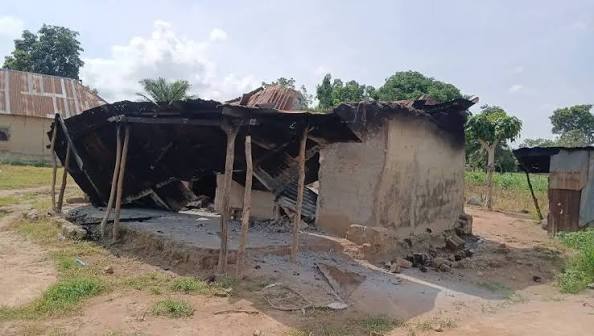
The church claimed that 5,987 of its members had been killed while 753 worship centres were destroyed during attacks blamed on armed herdsmen.
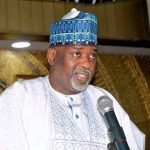
The position was contained in a statement by the General Secretary of the NKST Synod Executive Committee, Rev. Ta Targba.
Targba said the church was not opposed to peaceful livestock production but rejected the choice of Benue as a pilot state for the Federal Government’s ranching initiative.
“Benue is not merely a geographical space available for government experimentation. The State is predominantly an agrarian society. Its land is the ancestral inheritance, economic foundation and livelihood of millions of people,” he said.
He argued that communities displaced by violence should first be restored and resettled before any new land-based agricultural intervention is introduced.
The NKST questioned the decision to select a state that had suffered extensive displacement and destruction as a pilot location for a ranching programme.
“The NKST Church therefore asks: Why should a state whose people have suffered displacement and destruction because of violent conflict now be selected as a laboratory for a policy involving land allocation for the same livestock economy that has been at the centre of these conflicts?” Targba asked.
He said the church’s opposition was based on the experiences of its members and institutions affected by the violence.
“Over 5,987 of our members have been killed; 753 of our worship centres were destroyed by these marauders,” he stated.
The church called for adequate security to facilitate the safe return of displaced persons and demanded reconstruction of homes, schools, hospitals, markets, roads, water facilities and places of worship.
It also called for a comprehensive inventory of destroyed institutions in affected communities.
The church maintained that no ranch should be established on land from which residents had been violently displaced.
It nevertheless expressed willingness to work with government and other stakeholders toward peace, reconciliation and justice.
© 2026, Standard Focus. All rights reserved. This material, and other digital content on this website, may not be reproduced, published, broadcast, rewritten or redistributed in whole or in part without prior express written permission from STANDARD FOCUS.