



























By Halima Abubakar, Abuja
The House of Representatives on Tuesday called for immediate diplomatic and economic measures against South Africa following renewed xenophobic attacks that have claimed the lives of Nigerians.
The resolution followed a motion of urgent public importance sponsored by Donald Ojogo (APC, Ondo) and Billy Osawaru (APC, Edo), who warned that the situation had reached “an alarming rate,” with Nigerians reportedly being selectively targeted.
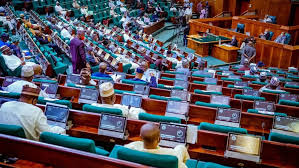
Adopting the motion at plenary, the House urged the Ministry of Foreign Affairs to take urgent diplomatic steps to halt the killings and ensure the safety of Nigerians residing in South Africa.
Lawmakers also directed the Federal Government to begin evacuation arrangements for citizens willing to return home from affected areas.
In a series of far-reaching resolutions, the House called for a review and possible suspension of bilateral agreements between both countries, including trade and aviation deals. It further recommended targeted economic measures such as the temporary halt in the issuance of business permits to South African companies and a review of tax incentives currently enjoyed by existing firms in Nigeria.
The lawmakers also mandated the Ministry of Foreign Affairs to summon the South African High Commissioner to Nigeria to formally register the country’s displeasure and demand “concrete, time-bound guarantees” for the protection of Nigerian citizens.
To address immediate concerns, the House directed its Committee on Foreign Affairs and other relevant panels to work with the Nigerian High Commission in Pretoria to establish a 24-hour emergency response desk and a legal aid fund for distressed Nigerians. It also called for the development and publicisation of a comprehensive evacuation contingency plan, including financial and logistical support.
Moving the motion, Ojogo cited recent killings of two Nigerians Ekpenyong Andrew and Amaramiro Emmanuel in separate incidents linked to rising anti-foreigner violence.
“Andrew was arrested on April 19, 2026, in Booysens, Pretoria, following an alleged altercation with officials of the Tshwane Metro Police. His body was later discovered at the Pretoria Central Mortuary, while Emmanuel died from injuries sustained after being beaten by personnel of the South African National Defence Force on April 20, 2026,” Ojogo said.
He described the incidents as “shocking,” noting that they allegedly involved South African security personnel, and warned that viral videos circulating online showed escalating threats, intimidation, and mob attacks against foreign nationals.
Ojogo further decried what he termed the “targeted attacks” on Nigerians as an act of ingratitude, recalling Nigeria’s role in the anti-apartheid struggle. He cautioned that the continued violence could trigger reprisals and heighten tensions between both countries if not urgently addressed.
Presiding over the session, Deputy Speaker Benjamin Kalu described the resurgence of xenophobic violence as “unfortunate” and “a crime against fellow Africans,” particularly given the historical ties between Nigeria and South Africa.
The House also called for broader legislative engagement through the Pan-African Parliament to push for stronger measures against xenophobia and hate crimes across the continent.
© 2026, Standard Focus. All rights reserved. This material, and other digital content on this website, may not be reproduced, published, broadcast, rewritten or redistributed in whole or in part without prior express written permission from STANDARD FOCUS.