





























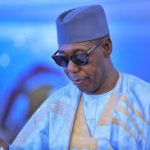


By Mark John (PhD)
Nigeria is once again at a critical juncture. The promises of economic transformation, social justice, and national renewal continue to ring loud in speeches, yet ordinary citizens still battle the daily realities of insecurity, joblessness, inflation, and a cost of living crisis that grows more unbearable by the day.
The question that haunts our collective conscience is simple: how long can a nation of such immense potential remain trapped in cycles of poor governance and unfulfilled dreams?
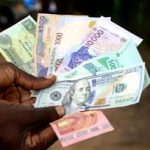
One of the most pressing national issues today is the economy. The removal of fuel subsidy and the floating of the naira were policy steps touted as reforms to rescue Nigeria’s finances. But without effective cushioning measures, they have instead deepened poverty for millions.
Food prices are soaring, transport costs are crippling, and wages remain stagnant. Economic policies should never be judged by macroeconomic theories alone but by their impact on ordinary Nigerians. A reform that makes life unbearable is, by design, incomplete.
Beyond the economy, insecurity remains a festering wound. From banditry in the North-West to kidnapping in the South, no region is spared. Citizens now live in fear, farmers abandon their lands, and businesses fold under constant threats.
Security is not just about guns and boots on the ground; it is about intelligence, community trust, and political will. Nigeria cannot achieve prosperity without peace, and peace cannot be achieved without justice and accountability.
Equally disturbing is the crisis of leadership. Our political class remains more concerned with power games than with governance. Appointments are made on the basis of loyalty, not competence.
The National Assembly, meant to be the people’s watchdog, is increasingly seen as complicit in silence when decisive oversight is needed. Until leadership becomes about service rather than privilege, Nigeria will continue to crawl when it should be running.
But while it is easy to point fingers at leaders, Nigerians too must reflect. Citizens often celebrate corruption when it benefits them, excuse mediocrity when it is from their ethnic group, and sell their votes for temporary relief.
This cycle of compromise feeds the very system we condemn. National rebirth cannot happen if citizens themselves are unwilling to demand and sustain accountability.
The way forward demands courage. Leaders must show courage by embracing transparency, fairness, and people-centered reforms. Institutions must show courage by resisting capture and serving the nation above individuals. Citizens must show courage by rejecting tokenism and demanding performance over promises.
Nigeria’s problems are not insurmountable. But time is running out. Unless there is a decisive shift in governance, policy, and civic responsibility, we risk normalizing dysfunction as destiny. The truth, however, is that Nigeria’s destiny is far brighter than its present reality — if only we can summon the will to change course.
The choice is ours: to continue lamenting or to rise to the demands of nation-building. History will not forgive inaction.
© 2025, Standard Focus. All rights reserved. This material, and other digital content on this website, may not be reproduced, published, broadcast, rewritten or redistributed in whole or in part without prior express written permission from STANDARD FOCUS.