





























The Lagos State Government has raised fresh concerns over the surge in Lassa fever cases nationwide, announcing the rollout of a statewide awareness and prevention campaign to curb the spread of the disease.
Commissioner for Health, Akin Abayomi, disclosed on Saturday that Nigeria is grappling with one of its most severe outbreaks in recent years, with over 660 confirmed cases and 167 deaths recorded between January and mid-March 2026.
He said the outbreak has affected 22 states and 93 local government areas, describing the situation as a serious public health challenge requiring urgent and coordinated action.
Of particular concern, Abayomi noted, is the rising number of infections among healthcare workers, revealing that at least 38 medical personnel have contracted the virus, including three doctors who have died.
“When a disease begins to claim the lives of frontline health workers, it is a critical warning sign,” he said, stressing the need for stricter infection control measures and enhanced surveillance.
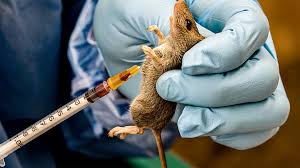
Lassa fever, a zoonotic disease transmitted mainly through contact with rodents or contaminated food, can also spread between humans. It often presents as a haemorrhagic illness, causing fever and, in severe cases, internal bleeding.
Although Lagos State is not considered endemic for the disease and typically reports only a few imported cases annually, Abayomi warned that its dense population and high mobility make it particularly vulnerable to rapid transmission.
“In a megacity like Lagos, where thousands of people move daily by road and air, infectious diseases can spread quickly if not contained early, as witnessed during COVID-19,” he said.
He further explained that emerging data suggest Lassa fever is no longer strictly seasonal, with transmission now occurring year-round due to increased human contact with rodent carriers and environmental changes.
According to him, about 70 per cent of infected individuals may show mild or no symptoms but can still transmit the virus, increasing the risk of silent spread, especially in crowded urban settings.
He added that one in five symptomatic patients could develop severe complications, which may prove fatal if not promptly treated.
The commissioner grouped Lassa fever with other high-risk viral diseases such as Ebola and Marburg virus disease, warning that such pathogens can overwhelm health systems if not effectively managed.
He attributed the rising incidence of these infections to factors including climate change, deforestation and ecological disruption, which increase human exposure to disease-carrying animals.
To address the threat, Abayomi said the state has activated a robust preparedness strategy, including a 24-hour Emergency Operations Centre, enhanced surveillance, deployment of digital health tools and ongoing training for healthcare workers.
“Preparedness is not panic; it is proactive leadership. Our priority is early detection, prompt isolation and effective treatment to prevent escalation,” he said.
He added that the state is collaborating with the Nigeria Centre for Disease Control, the Federal Ministry of Health and partners such as Irrua Specialist Teaching Hospital to strengthen response efforts.
The awareness campaign, he noted, will focus on community sensitisation, capacity building for health workers and dissemination of preventive guidelines to reduce infection risks.
Abayomi urged residents to remain calm but vigilant, emphasizing that adherence to public health measures and collective responsibility are key to containing the outbreak.
© 2026, Standard Focus. All rights reserved. This material, and other digital content on this website, may not be reproduced, published, broadcast, rewritten or redistributed in whole or in part without prior express written permission from STANDARD FOCUS.