





















By James Akinlade
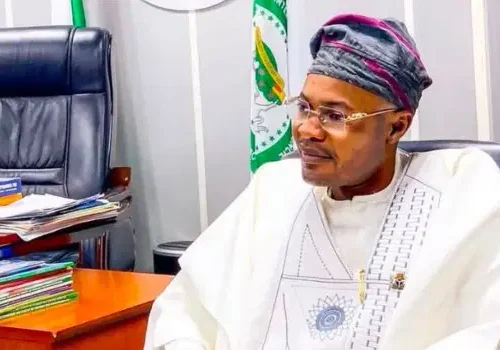
Nigeria’s Minister of Budget and Economic Planning, Abubakar Atiku Bagudu, has called on German investors to expand their investments in Nigeria, citing improved foreign reserves, increased government revenue and ongoing economic reforms as signs of growing economic stability.
Bagudu made the appeal during the Nigeria-Germany Business Day held in Lagos, according to a statement issued by the ministry.
The event, themed “Germany and Nigeria: Cooperating for Development and Business Promotion,” focused on strengthening bilateral trade and investment relations between both countries.
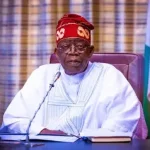
The minister said reforms introduced under the administration of Bola Ahmed Tinubu were beginning to reposition Nigeria’s economy for sustainable growth and greater investor confidence.
According to him, the government’s policy measures, including fuel subsidy removal, foreign exchange liberalisation, enhanced revenue mobilisation and other structural reforms, were necessary steps toward restoring macroeconomic stability and fiscal sustainability.
Bagudu noted that the reforms were already yielding positive results, particularly in public revenue generation and external reserves.
He disclosed that Nigeria’s total revenue rose from about N19.9 trillion in 2023 to over N28 trillion in 2025, surpassing government projections.
The minister also stated that the country’s foreign exchange reserves increased to more than $46 billion in early 2026, describing it as the highest level recorded in nearly eight years.
According to him, the stronger reserves have helped stabilise the foreign exchange market and improve investor confidence.
Bagudu added that inflationary pressures triggered during the adjustment phase of the reforms were beginning to ease, while international credit rating agencies had revised Nigeria’s economic outlook from negative to stable.
He further noted that the Nigerian Exchange recorded strong performance in the first quarter of 2026, ranking among the top-performing emerging markets globally.
The minister also said Nigeria’s continued absence from the Financial Action Task Force grey list had strengthened confidence in the country’s financial system.
Encouraging greater German participation in the Nigerian economy, Bagudu revealed that trade volume between both countries grew by nearly 30 per cent to approximately €3 billion in 2025.
He said more than 90 German companies are currently operating in Nigeria across several sectors of the economy.
Bagudu added that Nigeria’s ambition to build a one trillion-dollar economy by 2030 would depend significantly on private sector investment, especially in renewable energy, manufacturing, agro-processing, digital innovation and skills development.
He urged stakeholders from both countries to convert ongoing engagements into concrete investments and long-term economic partnerships.
© 2026, Standard Focus. All rights reserved. This material, and other digital content on this website, may not be reproduced, published, broadcast, rewritten or redistributed in whole or in part without prior express written permission from STANDARD FOCUS.