































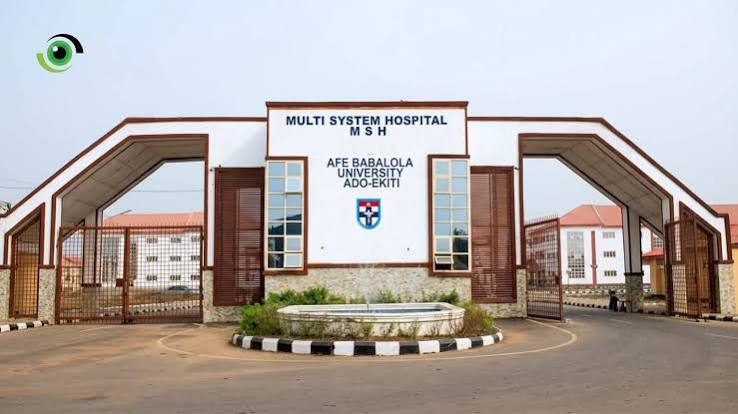
The International Society for Neurochemistry (ISN) and Afe Babalola University, Ado-Ekiti (ABUAD) have called for increased investment in neuroscience research infrastructure and the generation of African-specific data to improve the prevention, diagnosis, treatment and rehabilitation of stroke and other cerebrovascular diseases.
The call was contained in the recommendations of the nine-day ISN–ABUAD Advanced School on “Stroke Neurochemistry and Cerebrovascular Resilience,” which brought together neuroscientists, clinicians, postgraduate students, early-career researchers and academics from Nigeria, other African countries and the international scientific community.
In a communiqué issued by the Local Organising Committee and signed by the Director of the School, Dr. Edem E. Edem, participants stressed the need for Africa to develop scientific infrastructure and locally generated evidence capable of addressing the continent’s growing burden of stroke and cerebrovascular disorders.
They noted that understanding the diseases within Africa’s unique biological, environmental and healthcare contexts was essential to developing effective interventions.
The participants therefore called for stronger laboratory and research facilities capable of supporting advanced neurochemical and cerebrovascular investigations.
They also advocated greater investment in neuroscience and cerebrovascular research across African institutions, stronger multidisciplinary and multicentre collaborations, and closer integration of basic, translational and clinical research.
The programme attracted participants from various parts of Nigeria and Southern, Eastern, Western and Central Africa, while experts from Nigeria, Brazil, Germany, South Africa, Canada and the United States served as faculty and resource persons.
According to the organisers, the diversity of participants and faculty provided opportunities for intensive scientific engagement, knowledge sharing, mentorship and the development of international research collaborations in neurochemistry, neuroscience, cerebrovascular research and translational medicine.
The programme combined lectures and seminars with practical laboratory sessions, student presentations, interactive discussions and research-oriented activities in an approximately 50-50 per cent didactic and practical format.
The communiqué further recommended the development of research programmes focused on environmental, metabolic, inflammatory, infectious and lifestyle-related factors contributing to cerebrovascular diseases.
It also called for increased opportunities for scientific exchange between African researchers and their international counterparts, as well as expanded mentorship and capacity-building programmes for postgraduate students and early-career scientists.
The communiqué stated in part: “The School recommends: Increased investment in neuroscience and cerebrovascular research across African institutions.
“Greater development of multidisciplinary and multicentre research collaborations.
“Strengthening of laboratory and research infrastructure to support advanced neurochemical and cerebrovascular investigations.
“Increased generation and use of African-specific data in neuroscience and stroke research.”
The participants also advocated continued training in research methodology, statistical reasoning, scientific writing, grant development and responsible interpretation of scientific evidence.
They further urged the promotion of clinically relevant research aimed at improving stroke prevention, treatment, rehabilitation and long-term resilience.
© 2026, Standard Focus. All rights reserved. This material, and other digital content on this website, may not be reproduced, published, broadcast, rewritten or redistributed in whole or in part without prior express written permission from STANDARD FOCUS.