




























By Kenneth Williams
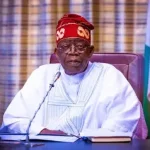
ABUJA — Former Vice President Atiku Abubakar has criticised the Federal Government’s rising debt profile, describing the reported N12.62 trillion borrowing in 2024 as “fiscal vandalism” and evidence that President Bola Tinubu’s administration has lost control of the nation’s finances.
In a statement issued on Wednesday by his Senior Special Assistant on Public Communication, Phrank Shaibu, Atiku reacted to reports that the Federal Government exceeded its approved 2024 borrowing limit by N4.79 trillion, bringing total fresh borrowing to N12.62 trillion.
According to the former vice president, Nigerians were assured that the removal of fuel subsidy, increased taxes and other tough economic policies would reduce borrowing and restore fiscal stability. Instead, he said, the country has witnessed mounting debt, excessive borrowing and wasteful spending.
Atiku, the presidential candidate of the African Democratic Congress (ADC), cited figures from the Budget Office indicating that the Federal Government borrowed 61.2 per cent above the limit approved by the National Assembly.
He also questioned the reported N3.19 trillion obtained as “budget support,” noting that no such provision existed in the approved budget and that the source of the funds had not been clearly disclosed.
The former vice president argued that the latest borrowing reflected a broader pattern of fiscal mismanagement under the current administration. He alleged that the government had created unnecessary agencies, approved padded budgets with duplicated allocations, concealed funds under the Service Wide Vote and approved large expenditures on luxury vehicles while critical sectors continued to struggle.
He questioned the purpose of the additional borrowing, insisting it had not translated into improvements in education, healthcare, security or infrastructure.
“Our children are still learning under deplorable conditions, hospitals remain underfunded, insecurity persists despite inadequate funding complaints from security agencies, while roads remain death traps and electricity has become an expensive luxury,” he said.
Atiku further pointed to what he described as a contradiction in the government’s fiscal policy, noting that recent high crude oil prices had reportedly generated an estimated N7.98 trillion oil windfall, yet borrowing continued to rise instead of declining.
He also referenced the Budget Office report, which showed that debt servicing consumed N12.36 trillion, exceeding budgetary projections by more than 52 per cent.
According to him, Nigeria is approaching a situation where government borrowing is primarily used to repay existing debts, warning that such a trend is unsustainable.
“No responsible government mortgages the future of unborn generations while presiding over duplicated budgets, wasteful expenditure, opaque financial practices and an ever-expanding bureaucracy. The question remains: Where is all the money going?” he asked.
Atiku argued that the government’s fiscal approach had become cyclical, with higher revenues, increased taxes and subsidy removal all failing to reduce borrowing.
“Whenever revenues increase, borrowing also increases. Whenever taxes increase, borrowing still increases. Whenever subsidy is removed, borrowing accelerates. Whenever budgets are padded and duplicated, borrowing becomes the answer once again. This is not governance. It is a debt addiction,” he said.
He called for a government that prioritises fiscal discipline by reducing waste, improving transparency, blocking revenue leakages and directing public resources toward productive investments rather than financing what he described as an endless cycle of borrowing.
“The Nigerian people cannot continue paying today’s taxes to service yesterday’s loans while tomorrow’s generations inherit only debt,” Atiku stated.
© 2026, Standard Focus. All rights reserved. This material, and other digital content on this website, may not be reproduced, published, broadcast, rewritten or redistributed in whole or in part without prior express written permission from STANDARD FOCUS.